Immunisation and Travel - Mount Gravatt Medical Centre
Main menu:
Immunisation and Travel
GENERAL PRACTICE
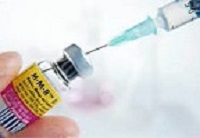
Immunisation
Active immunization can occur naturally when a person comes into contact with a specific microbe. The immune system then create antibodies and other defenses against the microbe. Therefore, the next time an individual comes into contact with this same microbe, the immune response against the microbe will be very efficient; this is the case in many childhood infections that a person only contracts once and is afterwards immune.
Vaccination is a process by which artificial active immunisation is administered so that the individual can achieve this 'immune' state, bypassing the natural process. It is important for prevention of many dangerous diseases.
| Recommended Vaccination Schedule | ||||||||||
| Vaccine | Birth | 2 mo. | 4 mo. | 6 mo. | 12 mo. | 18 mo. | 4 yrs | 10–13 yrs | 15–17 yrs | ≥65 yrs |
| Hepatitis B | HepB | HepB | HepB | HepB | ||||||
| Rotavirus | RV | RV | RV | |||||||
| Diphtheria, pertussis, and tetanus | DTPa | DTPa | DTPa | DTPa | DTPa | |||||
| Haemophilus influenzae type b | Hib | Hib | Hib | Hib | ||||||
| Pneumococcal | 7vPCV | 7vPCV | 7vPCV | 23vPPV | ||||||
| Polio vaccine | IPV | IPV | IPV | IPV | ||||||
| Measles, mumps, and rubella | MMR | MMR | ||||||||
| Varicella | Varicella | |||||||||
| Meningococcus | MenCCV | |||||||||
| Human papillomavirus vaccine | HPV1 | |||||||||
| Influenza | Yearly | |||||||||

Travel Medicine
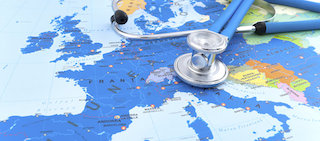
Travel medicine includes pre-travel consultation and evaluation, contingency planning during travel, and post-travel follow-up and care.
Key areas to consider are vaccination and the six I’s:
Ingestions: safety of drinking water, food
Indiscretion: HIV, sexually transmitted disease
Injuries: accident avoidance, personal safety
Immersion: schistosomiasis
Insurance: coverage and services during travel, access to health care